

Jan
Which diamond color grade is the most beautiful? Helpful Advice Before Buying
For a long time, diamonds have been regarded as a symbol of eternity, luxury, and prestige. Not only do they shine brilliantly in exquisite jewelry designs, but they also carry enduring emotional value, making them an ideal choice for engagement rings and wedding bands. However, when researching before purchasing a diamond, many people find themselves wondering: “Which diamond color grade is the most beautiful?” — as the color grade directly affects both the appearance and value of the stone.
In this article, we will explore the concept of diamond color grading, discover which grades are considered the most beautiful, and share practical advice to help you choose a diamond that suits your budget, needs, and personal sentiment.
What Is Diamond Color?
Before answering the question “Which diamond color grade is the most beautiful?”, it’s important to clearly understand the concept of diamond color and how it is classified.
Diamond color refers to the scale used to measure the absence of color or the presence of subtle hues in a diamond. It is one of the four key factors in the 4Cs grading system (Cut, Clarity, Carat, and Color).
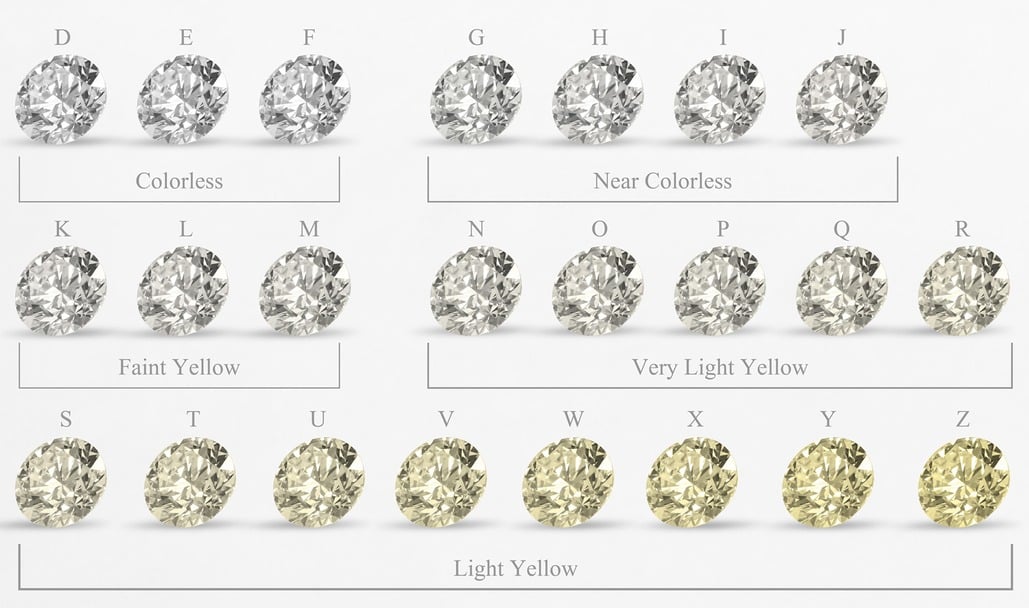
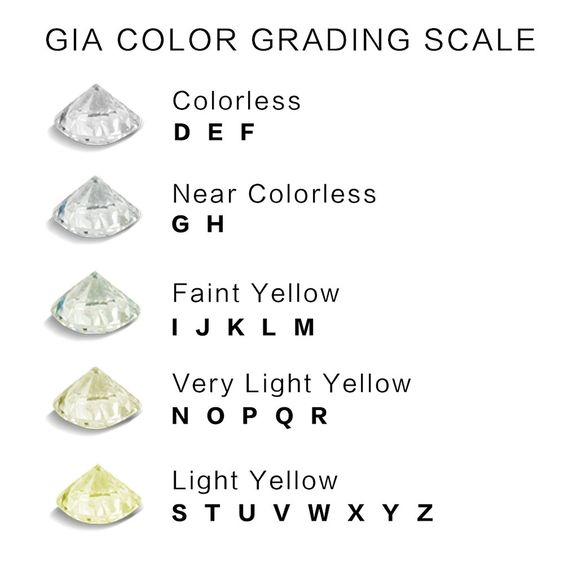
According to the international standards of the Gemological Institute of America (GIA), diamond color is graded as follows:
-
D – E – F: Colorless – the rarest and most valuable grades.
-
G – H – I – J: Near Colorless – still bright and visually white to the naked eye.
-
K – L – M: Faint Yellow – slightly tinted with a soft yellow hue.
-
N – O – P – Q – R: Very Light Yellow – more noticeable yellow tones.
-
S – Z: Light Yellow or light brown – clearly visible color.
This grading system helps buyers determine the rarity, value, and visual appeal of each diamond more easily and accurately.
Which Diamond Color Grade Is the Most Beautiful?
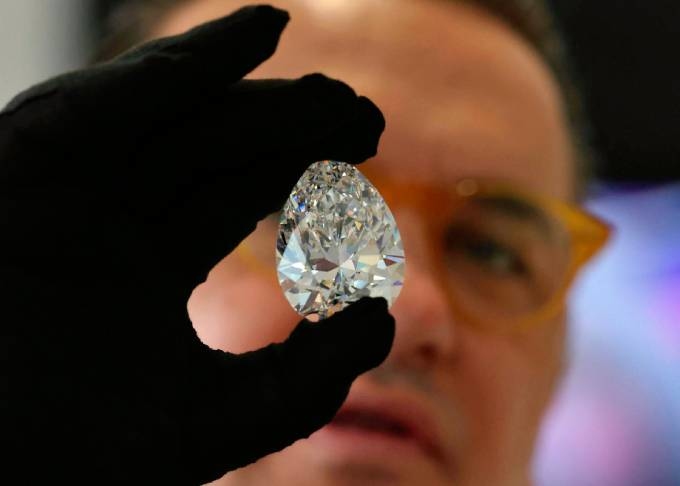
According to the classification standards of the Gemological Institute of America (GIA), a D color diamond is considered the most beautiful due to its absolute transparency and complete absence of any color. It is also the rarest and most valuable grade on the market.
If you are looking for a diamond that embodies both exceptional purity and long-term value, D, E, or F color grades are ideal choices. This group is known as “Colorless” — admired for its brilliant white appearance and consistently high evaluation in all fine jewelry designs.
This also answers common questions such as: “Which diamond color grade is the most expensive?” The answer is the D, E, and F grades, with D being the highest and rarest.
However, the final choice should always align with your personal preference and budget. While D color represents the pinnacle of perfection and prestige, E and F diamonds offer nearly identical visual purity at a more accessible price point, making them a smart and balanced investment.
Diamond Color Grades According to GIA Standards
According to the grading system established by the Gemological Institute of America (GIA), diamond color is classified from D to Z. Below is a detailed breakdown to help answer the question of which diamond color grade is considered the most beautiful:
| Diamond Grade | Detailed Description |
|---|---|
| D | Completely colorless, with absolute transparency. Extremely rare and carries the highest value. |
| E | Colorless. Traces of color are detectable only by experienced gemologists using advanced equipment. |
| F | Colorless or with very slight traces of color, nearly impossible to distinguish with the naked eye. Only trained experts can identify the difference. |
| G | Near colorless, with extremely faint color. |
| H | Near colorless, slightly more noticeable warmth compared to G. |
| I | Near colorless, with a slightly deeper tint than H. |
| J | Near colorless, but color may be more visible when compared side-by-side with H or I stones. |
| K–Z | Noticeable color presence, generally lower in market value compared to higher grades. |
In conclusion, D color diamonds are widely regarded as the most beautiful due to their perfect transparency and pure brilliance, enhancing a sense of elegance, sophistication, and prestige for the wearer.
Hopefully, this overview helps you better understand diamond color grading and makes it easier to choose the most suitable diamond grade based on your preferences and needs.
Other Factors Beyond “Color” That Influence a Diamond’s Beauty
When evaluating a diamond, color is only one of four essential criteria. In reality, the globally recognized 4Cs grading system established by the Gemological Institute of America (GIA) includes:
-
Carat (Weight): The larger the diamond, the higher its value. However, size should always be balanced with overall quality to achieve the best visual impact.
-
Cut (Proportions & Craftsmanship): This factor determines how well a diamond reflects light. An excellent cut allows the stone to sparkle brilliantly — even if its color grade is not perfect.
-
Clarity (Purity): Measures the presence of inclusions or internal imperfections. The higher the clarity, the rarer and more transparent the diamond appears.
-
Color: Indicates the level of colorlessness or the presence of subtle hues.
Among these four factors, Cut is often considered the most important because it directly affects brilliance and sparkle. A diamond with a lower color grade (such as H or I) but an excellent cut can appear more radiant than a D color diamond with a poor cut.
Therefore, when choosing a diamond, it is essential to consider all four aspects of the 4Cs rather than focusing solely on color. A harmonious balance between carat weight, cut quality, clarity, and color will help you select a diamond that is exceptional in both beauty and long-term value.
Helpful Advice Before Buying a Diamond
When choosing a diamond, many people are easily drawn to the idea that “the more expensive, the more beautiful.” In reality, a truly perfect diamond should be carefully considered based on quality, budget, and intended purpose.
-
Choose a color grade that fits your budget: If you want a diamond that looks bright and elegant while still optimizing cost, G–H color grades are a smart choice. They appear nearly colorless to the naked eye and maintain impressive brilliance, yet are significantly more affordable than D–F grades.
-
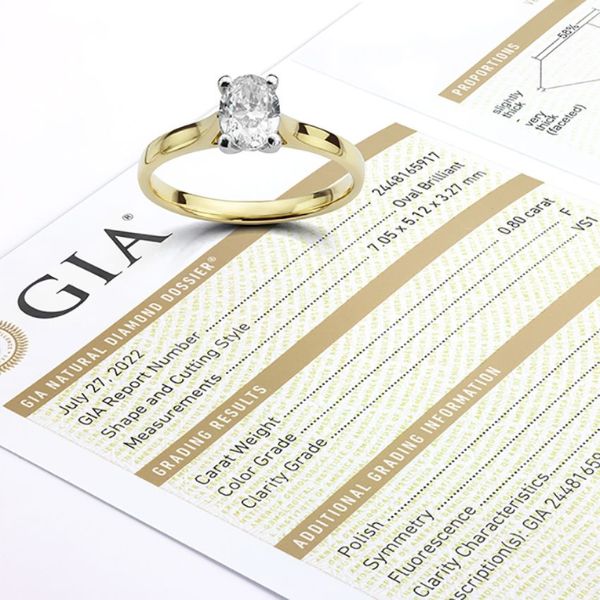
Ask for a reputable grading certificate: Before making a purchase, ensure the diamond comes with certification from respected international organizations such as the Gemological Institute of America (GIA) or the International Gemological Institute (IGI). Certification provides reliable verification of the diamond’s quality and value.
-
Don’t blindly chase the “best” grade: A D color diamond may represent perfection, but it may not always align with your practical needs or financial plan. The best choice is the one that makes you feel confident and satisfied.
-
Prioritize brighter grades for engagement or wedding rings: For milestone jewelry such as engagement or wedding rings, diamonds in the D–H range are often recommended. These grades preserve a luxurious, timeless appearance that remains beautiful over the years.
In summary, a beautiful diamond is not defined by color alone. It is the balance among the 4Cs — combined with what feels right for you personally — that ultimately creates the most meaningful and valuable choice.
In summary, according to the grading scale of the Gemological Institute of America (GIA), D, E, and F color diamonds are considered the most beautiful and rarest due to their near-absolute purity and outstanding ability to retain value over time.
See more: Essential Tips for Buying an Engagement Ring You Should Know
However, the final decision should always reflect your budget, personal preference, and intended use. A G or H color diamond with an excellent cut can still deliver exceptional brilliance and remarkable aesthetic value.
Most importantly, purchase your diamond from a reputable brand to ensure guaranteed quality, internationally recognized certification, and transparent warranty policies. At Meez Jewelry, you will receive in-depth consultation, explore refined engagement and wedding ring designs, and enjoy complete confidence in the value of the diamond you choose.
- Predicted engagement ring trends for the modern woman in 2026
- Is it a problem if a wedding ring loses its stone? Effective solutions and prevention methods
- What is CZ stone? Should you buy jewelry set with CZ stones?
- How to Calculate the Correct Ring Size for Both Men and Women
- Essential Tips for Buying an Engagement Ring You Should Know
Bài viết cùng chủ đề:
-
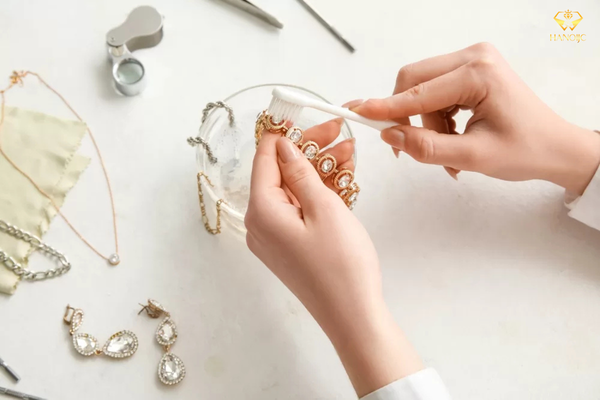
7+ Simple Ways to Make White Gold Shine at Home
-
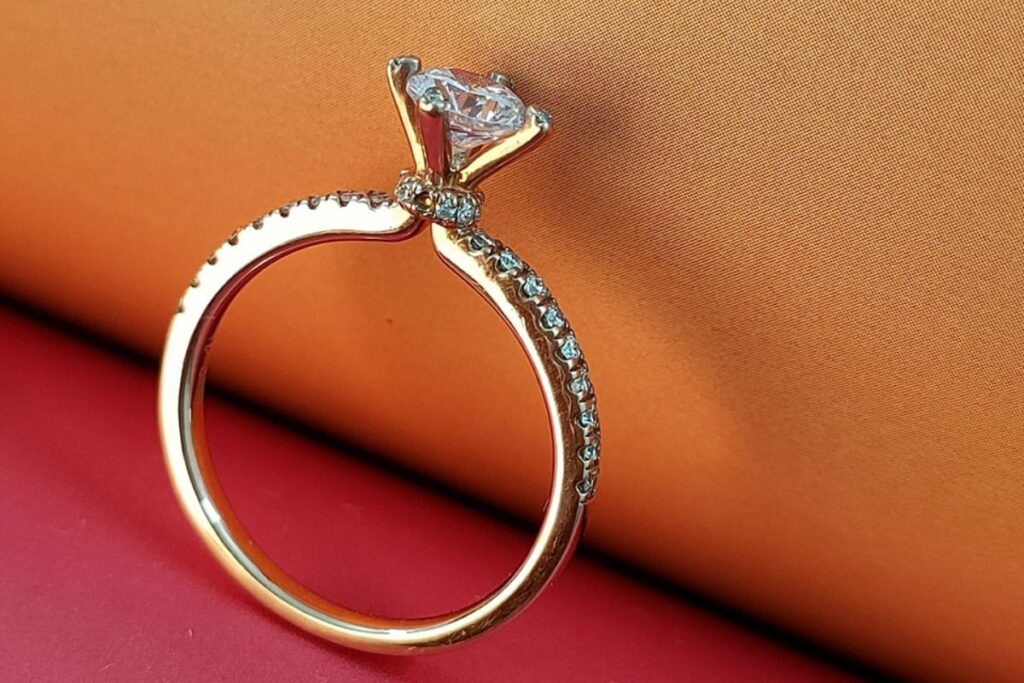
How many millimeters is a 1-carat diamond?
-
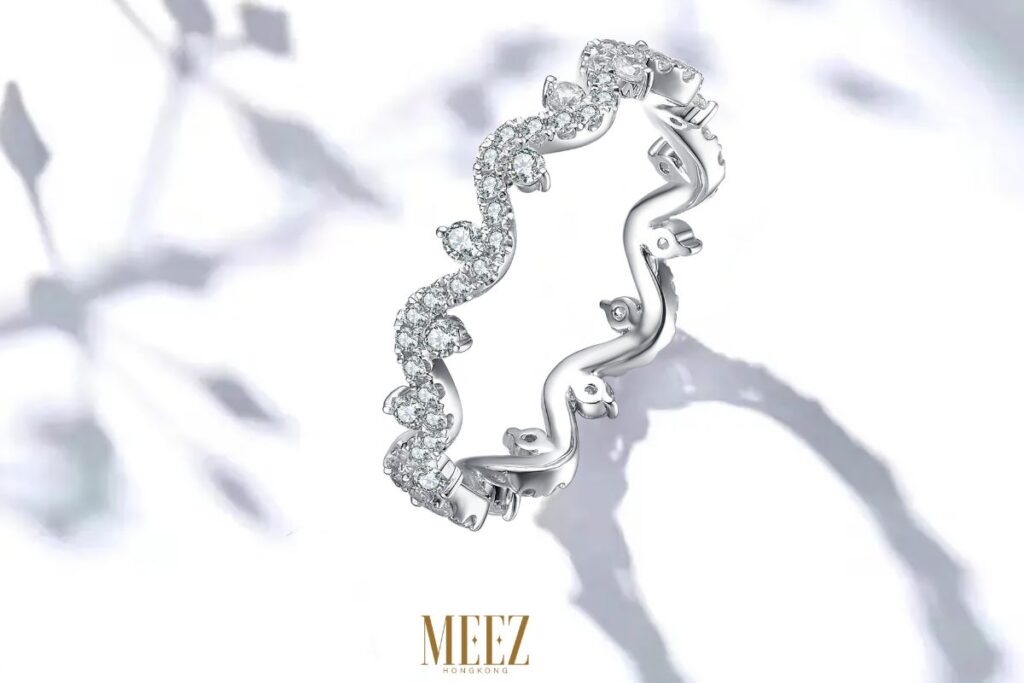
Top luxurious gold crown ring designs for women
-
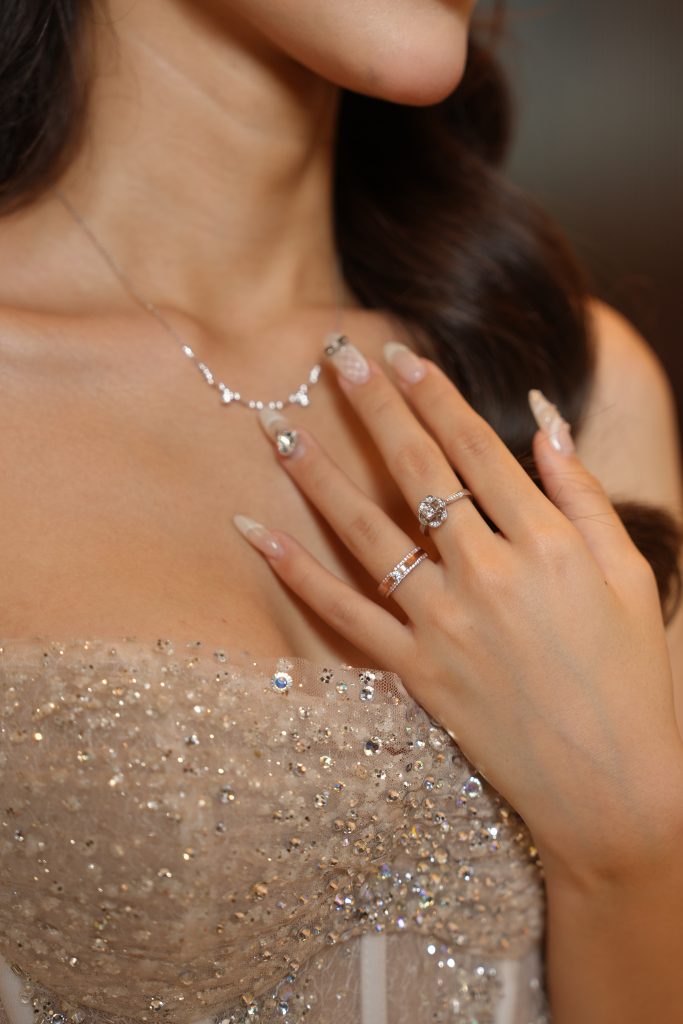
Explore the 5 Most Loved Necklace Designs of 2026
-
Should dark skin wear gold or silver? Tips for choosing jewelry that enhances your complexion
-
What is CZ stone? Should you buy jewelry set with CZ stones?
-
What is the Mohs Hardness Scale? How many levels does the Mohs scale have?
-
All the information you need to know about diamond certification
-

Tips for buying an engagement ring online safely
-
How to Calculate the Correct Ring Size for Both Men and Women
-

Tips for Choosing Gold Jewelry Gifts to Match Skin Tone
-
March Birthstones – Aquamarine and Bloodstone
-
Secrets to Designing a Unique and Beautiful Engagement Ring of Your Own

