

Feb
How many millimeters is a 1-carat diamond?
When shopping for a diamond engagement ring or wedding band, size is always a key consideration — especially the conversion between carats and millimeters. For those choosing a 1-carat diamond for an engagement or wedding ring, the question “How many millimeters is 1 carat?” becomes even more important.
In this article, Meez Jewelry will help you clearly understand the carat-to-millimeter conversion, while also explaining the actual visual size of a 1-carat diamond so you can confidently select the stone that fits perfectly and shines at its best.
How many millimeters is a 1-carat diamond?
When learning about diamond size, many people wonder how 1 carat converts into millimeters and how weight relates to visible dimensions. In reality, a diamond’s value is primarily determined by its weight (carat), while the measurement in millimeters helps buyers better visualize how large the stone appears. Below is a commonly referenced size chart:
-
0.2 carat: 4.0 – 4.3 mm
-
0.3 carat: 4.3 – 4.7 mm
-
0.4 carat: 4.8 – 5.0 mm
-
0.5 carat: 5.0 – 5.4 mm
-
0.6 carat: 5.4 – 5.7 mm
-
0.7 carat: 5.7 – 5.9 mm
-
0.8 carat: 6.0 – 6.1 mm
-
0.9 carat: 6.1 – 6.4 mm
-
1.0 carat: 6.3 – 6.6 mm
From this table, you can see that a diamond’s diameter (in mm) increases along with its carat weight. This also explains why larger diamonds generally carry higher value.
So, the answer to the question “How many millimeters is 1 carat?” is: a 1-carat diamond typically measures around 6.3 – 6.6 mm in diameter, depending on its cut proportions.
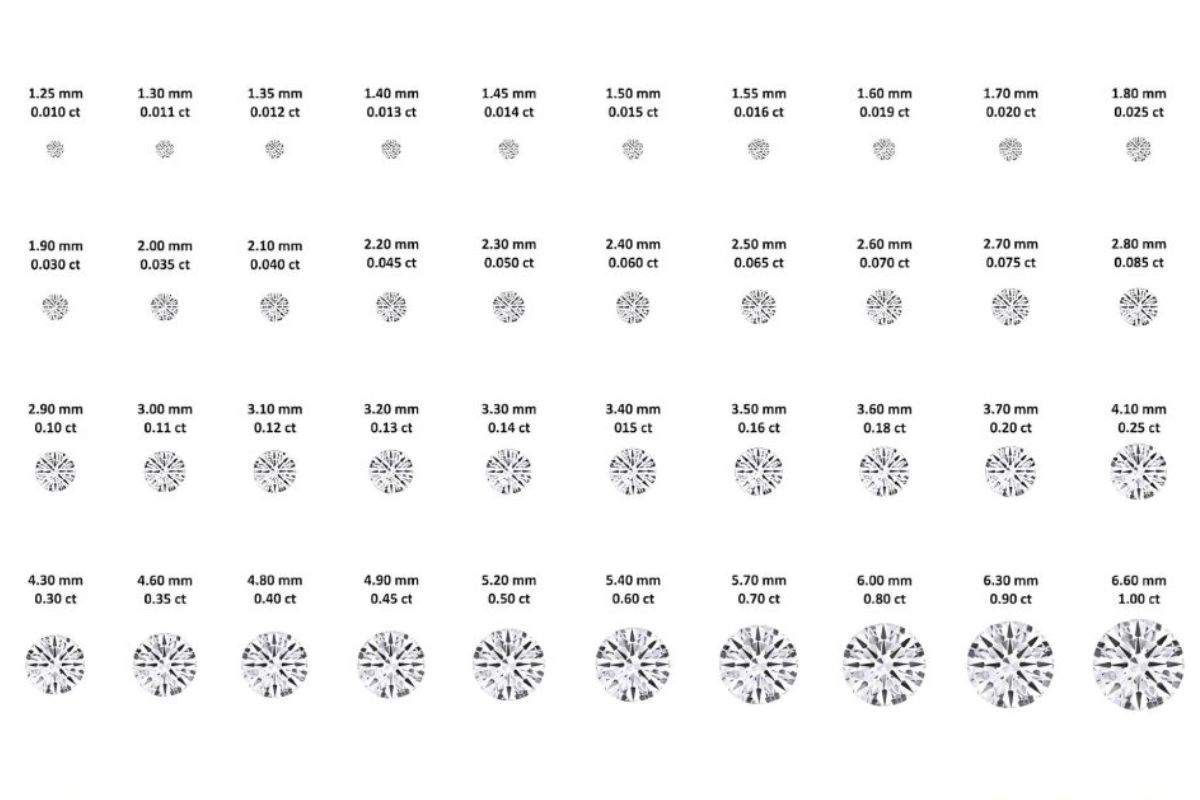
However, it’s important to note that millimeters are not used to determine a diamond’s value. This measurement simply helps buyers estimate visual size. Worldwide, carat remains the only standard unit used to define a diamond’s weight and overall value.
See more: All the information you need to know about diamond certification
Two Factors That Affect a Diamond’s Visible Size
When exploring how many millimeters equal 1 carat, you’ll quickly realize that a diamond’s actual appearance depends not only on its carat weight, but also on its shape and cut style. These two factors determine whether a diamond looks larger or smaller, how well-proportioned it appears, and how effectively it reflects light. Understanding the characteristics of each cut will help you choose a diamond that best suits your preferences, aesthetic taste, and budget.
Diamond Shape: Same 1 Carat, Different Visual Size
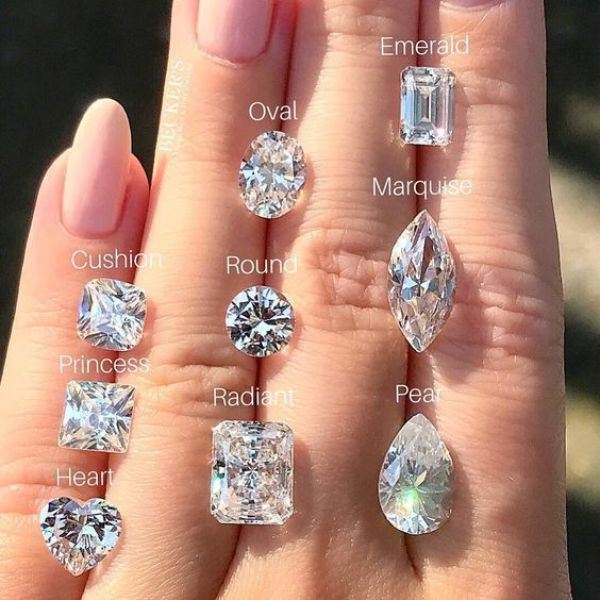
Even at the same carat weight, diamonds can vary noticeably in size depending on their shape. Each cut follows its own proportions, resulting in differences in diameter and surface area.
-
Round Brilliant: The most popular diamond shape, prized for its exceptional brilliance. At 1 carat, a round diamond typically measures about 6.3 – 6.6 mm in diameter, delivering impressive sparkle thanks to its optimized cut proportions.
-
Oval, Pear: Elongated shapes such as oval and pear (teardrop) tend to appear larger than their actual weight. A 1-carat oval diamond, for example, can measure approximately 7.7 × 5.7 mm, giving it a noticeably bigger look compared to a 1-carat round diamond.
-
Princess (Square): This square shape concentrates more weight toward the corners, which can make the top view appear slightly smaller. A 1-carat princess-cut diamond usually measures around 5.5 mm per side.
For instance, a 1-carat oval diamond may look longer and visually larger than a round diamond of the same weight. This explains why, when comparing how many millimeters equal 1 carat, shape plays a crucial role in determining the diamond’s perceived size.
Cut: The Key Factor Behind Brilliance and Surface Size
When considering how many millimeters equal 1 carat, cut quality is a crucial element, as it directly impacts both a diamond’s sparkle and its visible surface size. Even with the same carat weight, a diamond can appear larger or smaller depending on how well it is cut.
Cut Quality:
-
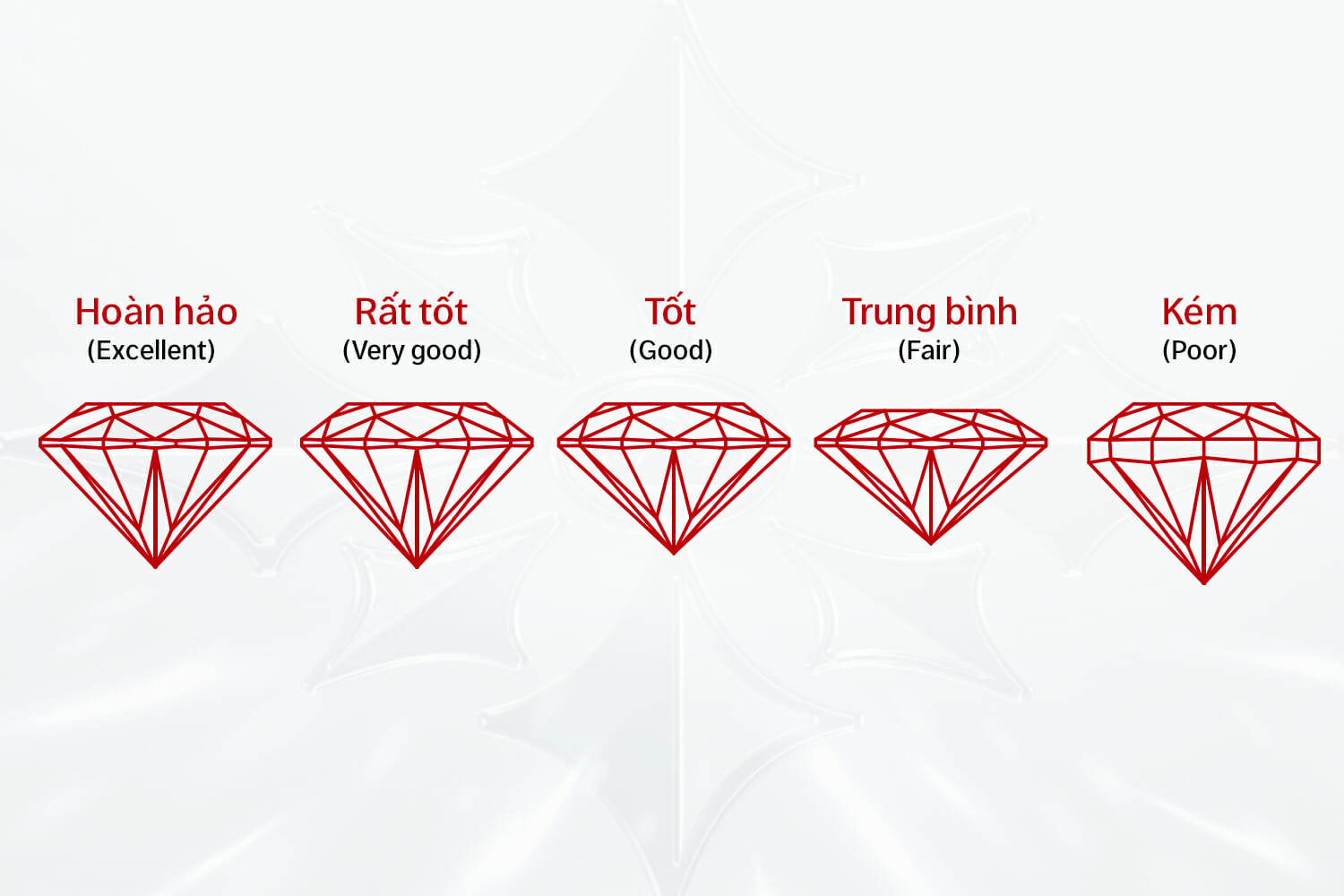
With a shallow cut, the diamond may look larger on the surface, but its light performance is weaker. Light easily escapes through the pavilion, causing light leakage and reducing overall brilliance.
-
With a deep cut, light does not reflect properly and becomes trapped inside the stone, diminishing its sparkle. Additionally, more weight is concentrated at the bottom, making the diamond appear smaller when viewed from above.
Ideal Proportions:
For a 1-carat round diamond, the most balanced diameter typically falls between 6.3 – 6.5 mm when cut proportions meet ideal standards. If the proportions are not well-balanced, the size may range from 6.2 – 6.6 mm, significantly affecting the diamond’s overall appearance.
This explains why, when discussing how many millimeters equal 1 carat, cut quality remains the determining factor in achieving both optimal brilliance and harmonious visual size.
Beyond Carat and Millimeters: What Determines a Diamond’s Value?
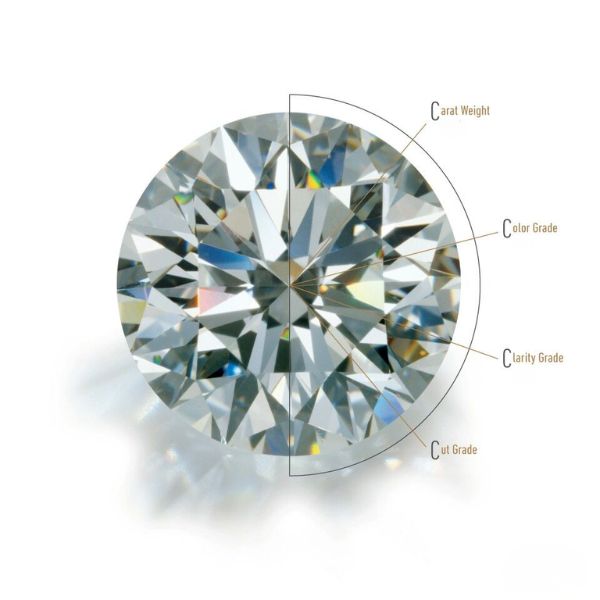
In addition to carat weight and millimeter size, a diamond’s value is defined by several other critical factors. These criteria are part of the renowned 4Cs grading system established by Gemological Institute of America (GIA), which provides a global standard for evaluating diamond quality.
Cut
Cut is considered the most important factor because it directly determines a diamond’s brilliance. Even a diamond with excellent color and high clarity can appear dull if the cut is poor.
Conversely, an Excellent cut can maximize light performance, allowing the diamond to shine brilliantly even if other characteristics are not flawless.
Organizations like GIA grade cut on a standard scale: EX – VG – G – F – P, with EX (Excellent) being the highest. Notably, cut is the only factor entirely influenced by human craftsmanship.
Color
Color refers to how colorless a diamond appears. GIA’s color scale ranges from:
-
D – F: Colorless (rarest and most valuable)
-
G – J: Near colorless
-
K – Z: Noticeable yellow or brown tint
Color is affected by trace elements, such as nitrogen, present during the diamond’s formation. The more colorless the diamond, the higher its transparency and value.
Clarity
Clarity measures the presence of internal inclusions and external blemishes. These imperfections can affect how light travels through the stone, influencing its overall brilliance. Diamonds are examined under magnification and graded into the following categories:
-
FL/IF: Flawless or Internally Flawless
-
VVS1 – VVS2: Very, very slight inclusions, extremely difficult to detect under magnification
-
VS1 – VS2: Very slight inclusions, minor and hard to see
-
SI1 – SI2: Noticeable inclusions under close inspection
-
I1 – I3: Obvious inclusions, often visible to the naked eye
The higher the clarity, the rarer and more valuable the diamond becomes.
Tips for Buying Diamonds by Carat
If you’re searching for the right diamond, beyond understanding how many millimeters equal 1 carat, keep the following tips in mind to choose a piece that flatters your hand and fits your budget.
-
Choose a carat weight that suits your hand shape: When buying a diamond ring, select a carat weight that complements your finger size. A stone that is too small may make the finger appear larger or less refined, while opting for a slightly bigger carat can create a more slender, elegant look. This is why a 1-carat diamond — typically measuring around 6.3–6.6 mm — is so popular for its balanced proportions and flattering appearance.
-
Balance size with budget: A higher carat weight does not automatically mean a more beautiful diamond. Consider color, clarity, and cut proportions alongside size. A high-quality 0.7–0.9 carat diamond can appear far more brilliant than a 1-carat stone with poor cut or lower color grade. Prioritize harmony between size, quality, and budget.
-
Explore different carat options: At Meez Jewelry, you can choose from a wide range of carat weights, from 0.2 carat to 1 carat and even larger stones upon custom request. Depending on your style and purpose — whether for a proposal, anniversary, or everyday wear — there will always be a carat weight that suits you best.
If you’re looking for a trusted destination to purchase high-quality diamonds at a reasonable price, Meez Jewelry is an ideal choice. With years of experience in bridal and fine diamond jewelry, Meez ensures every piece meets strict quality standards, comes with clear provenance, and is offered with transparent pricing.
At Meez, you can easily explore diamonds of various sizes, cuts, and budget ranges. The dedicated consultants are always ready to guide you through evaluating diamonds by carat and millimeter measurements, helping you confidently select the stone that best matches your style and needs.
- Essential Tips for Buying an Engagement Ring You Should Know
- How far in advance should you prepare an engagement ring?
- All the information you need to know about diamond certification
- How to fix scratched wedding rings? A simple guide to handling it at home.
- What is CZ stone? Should you buy jewelry set with CZ stones?
Bài viết cùng chủ đề:
-
7+ Simple Ways to Make White Gold Shine at Home
-
Top luxurious gold crown ring designs for women
-
Which diamond color grade is the most beautiful? Helpful Advice Before Buying
-
Explore the 5 Most Loved Necklace Designs of 2026
-
Should dark skin wear gold or silver? Tips for choosing jewelry that enhances your complexion
-
What is CZ stone? Should you buy jewelry set with CZ stones?
-
What is the Mohs Hardness Scale? How many levels does the Mohs scale have?
-
All the information you need to know about diamond certification
-

Tips for buying an engagement ring online safely
-
How to Calculate the Correct Ring Size for Both Men and Women
-

Tips for Choosing Gold Jewelry Gifts to Match Skin Tone
-
March Birthstones – Aquamarine and Bloodstone
-
Secrets to Designing a Unique and Beautiful Engagement Ring of Your Own

