

Oct
All the information you need to know about diamond certification
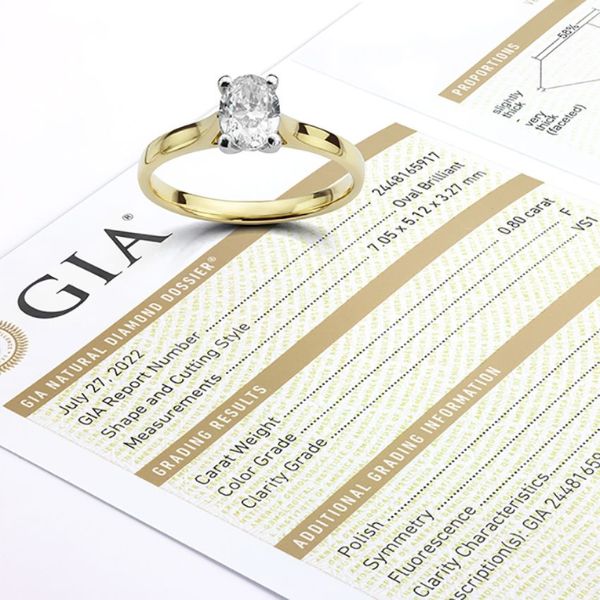
Diamond certification is the process of evaluating a diamond’s quality and determining its origin based on international standards. Understanding diamond certification helps buyers choose the right value, avoid risks during transactions, and feel more confident when owning diamond jewelry. So how does a certified diamond differ from a non-certified one? And why is this something buyers must pay attention to before making a purchase?
What is diamond certification?
In the jewelry industry, diamond certification plays a crucial role in verifying the quality, origin, and true value of each diamond. It serves as a foundation for maintaining transparency in the diamond market, minimizing risks for buyers, and protecting the rights of owners.
Diamond certification is the scientific evaluation and analysis of a diamond’s characteristics, conducted by reputable domestic and international gemological organizations. This process focuses on determining key criteria such as the type of diamond, carat weight (Carat), color (Color), clarity (Clarity), and cut (Cut) — commonly known as the 4Cs standard.
The certification results are fully documented in a diamond grading report, which acts as official proof of the gemstone’s quality and value. Thanks to this, all information about the diamond is transparent, clearly presented, and can be verified during transactions or valuation.
Why is diamond certification necessary?
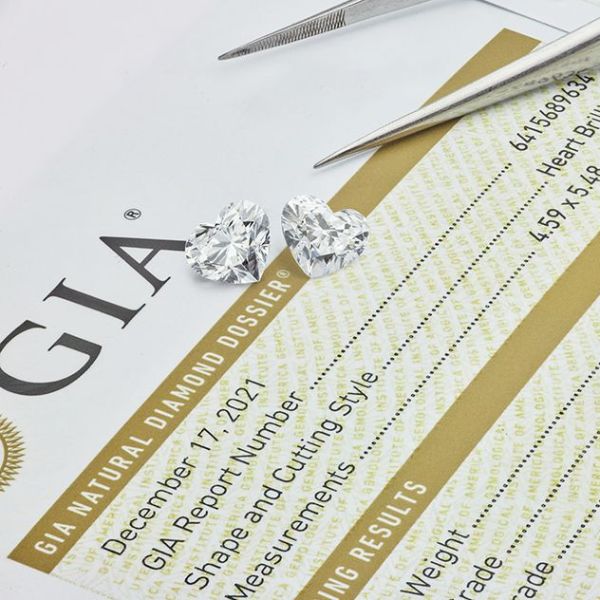
Diamonds are high-value gemstones often associated with important milestones such as proposals, weddings, or long-term anniversaries. Therefore, purchasing a diamond should not rely solely on visual appeal or the seller’s claims; proper certification is essential to ensure the stone’s true value.
First, certification helps prevent the risk of buying a fake diamond, a lab-grown diamond, or a treated diamond. In today’s market, synthetic and treated diamonds can look very similar to natural diamonds and are difficult to distinguish with the naked eye. A grading report from reputable organizations is the most reliable basis for confirming a diamond’s origin and condition.
In addition, certification ensures accurate valuation. Each diamond is priced differently depending on its carat weight, color, clarity, and cut. A grading report clearly presents these specifications, allowing buyers to understand exactly what quality they are paying for and avoid overpaying beyond the stone’s true worth.
Another important reason is liquidity and long-term value. Certified diamonds from reputable organizations are generally easier to resell, trade, or upgrade in the future. When reselling or exchanging for a larger stone, the grading report helps the diamond gain quicker market acceptance and retain better value compared to non-certified diamonds.
Finally, diamond certification protects the buyer’s rights in the long run. In cases of disputes, complaints, or when proof of asset value is required, the grading report serves as an important legal document. For a piece of jewelry meant to symbolize lifelong commitment, transparency and peace of mind are always worth more than saving on initial costs.
Diamond certification costs
Diamond certification does not have a fixed price; it varies depending on the individual diamond and the grading laboratory performing the assessment. The fee reflects the complexity of the evaluation process, the reputation of the grading organization, and any additional services selected by the owner.
The first factor affecting certification cost is the diamond’s characteristics. The larger the carat weight, the rarer the color, the higher the clarity, and the more precise the cut, the stricter the evaluation process becomes — resulting in higher certification fees. In addition, rough diamonds, loose polished diamonds, and diamond-set jewelry may incur different fees due to differences in handling complexity and grading time.
Furthermore, the type of grading report is also an important factor. Prestigious international certifications such as Gemological Institute of America (GIA) typically cost more than standard grading centers because of their rigorous evaluation standards and globally recognized credibility.
Popular types of diamond certification today
Currently, diamond grading reports are divided into two main categories based on their scope of recognition and issuing authority: international diamond certifications and domestic diamond certifications. Each type differs in credibility, usage scope, and reference value, making them suitable for different buying, selling, and ownership needs.
International diamond certifications are issued by leading gemological organizations worldwide and are widely recognized in the global market. This type of certification is common in the high-end diamond segment and is often considered the industry benchmark. Some of the most well-known international grading organizations today include:
-
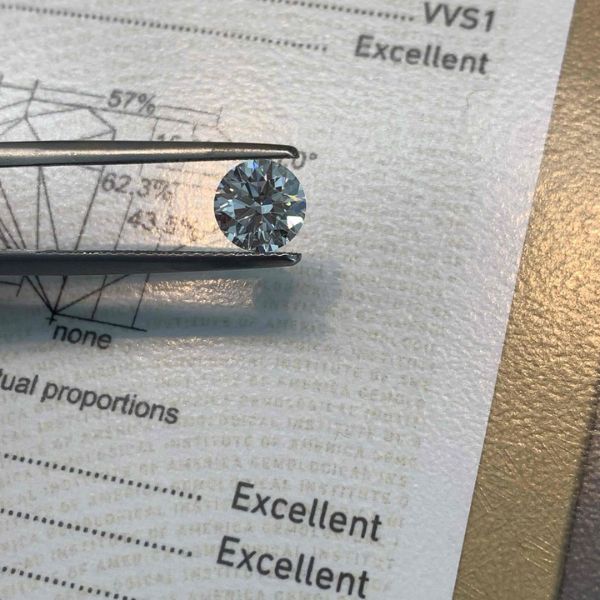
Gemological Institute of America (GIA): The world’s most prestigious grading organization, renowned for its strict evaluation standards and high level of transparency.
-
International Gemological Institute (IGI): Popular for grading both natural and lab-grown diamonds, widely used across the jewelry industry.
-
HRD Antwerp: A Belgium-based grading organization, widely recognized throughout Europe.
International certification makes diamonds easier to trade, appraise, and upgrade in the future, while also providing greater peace of mind for owners.
How to read a diamond grading report for beginners
For many first-time diamond buyers, a grading report may appear quite “confusing” due to the abundance of technical terms and symbols. However, by understanding the core information, you can confidently evaluate and verify the quality of the diamond you are considering.
Key information to check on a grading report
Diamond Report Number / Certificate Number: This is the unique identification number assigned to each diamond. It is typically:
-
Laser-inscribed on the diamond’s girdle
-
Clearly printed on the grading report
Buyers should use a jeweler’s loupe to compare the laser inscription on the diamond with the number on the certificate to avoid confusion or product substitution.
The 4Cs Standard: A grading report will fully present the 4Cs, including:
-
Carat: The weight of the diamond
-
Color: The color grade (from D to Z)
-
Clarity: The level of internal inclusions
-
Cut: The cut quality — the factor that directly affects brilliance
Among these, cut and clarity are often the two factors buyers should prioritize, as they strongly influence the diamond’s visual beauty when worn.
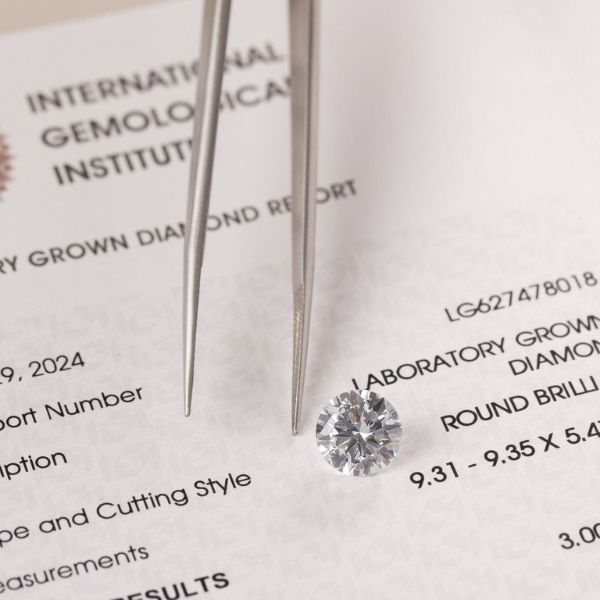
Clarity Plot: This diagram illustrates the position and type of inclusions inside the diamond using specialized symbols. It is considered the diamond’s unique “fingerprint,” helping to:
-
Identify the exact diamond in reality
-
Verify consistency between the grading report and the received product
How to match the grading report with the actual diamond
When receiving the diamond, you should:
-
Check that the laser-inscribed number matches the certificate
-
Observe the clarity plot and roughly compare the positions of distinctive features
-
Compare the diamond’s size and shape with the details described in the report
For diamonds already set in rings, direct verification may be more difficult. Therefore, buyers should choose transparent sellers who allow inspection of the loose diamond before setting.
Details buyers often overlook
Many people focus only on carat weight and color but ignore other important details such as:
-
Proportions: Affecting light reflection
-
Polish and Symmetry: Influencing overall brilliance
-
Treatment disclosure: Indicating whether the diamond has undergone enhancement
Though these details may seem minor, they can significantly impact the diamond’s long-term value and price retention.
Distinguishing between certified and non-certified diamonds
In today’s market, not every diamond comes with a grading certificate. Understanding the difference between certified and non-certified diamonds will help you avoid risks and make a choice worthy of the money you spend.
Comparison between certified and non-certified diamonds
Price: Certified diamonds are generally more expensive due to grading costs and the transparent value confirmed by reputable organizations. In contrast, non-certified diamonds may be significantly cheaper, but this lower price often comes with many uncertainties regarding actual quality.
Peace of mind: With certified diamonds, all key information such as carat weight, color, clarity, and cut is clearly stated on the grading report. Buyers can verify, compare, and feel confident about the diamond’s origin. Meanwhile, non-certified diamonds rely largely on the seller’s claims, making verification difficult without professional knowledge.
Long-term value: Diamonds certified by reputable organizations such as Gemological Institute of America (GIA), International Gemological Institute (IGI), HRD Antwerp (HRD), or Gemological Institute of Japan (GGJ) tend to retain value better when resold, upgraded, or traded in the future. Non-certified diamonds generally have little to no reference value in the secondary market.
Risks of buying diamonds without certification
Purchasing a diamond without a grading certificate involves several potential risks, such as:
-
Inability to accurately determine the stone’s true quality
-
Confusion with lab-grown diamonds, moissanite, or other substitutes
-
Difficulty in filing complaints, exchanges, or resale later
-
An initially “cheap” price that may reflect much lower actual value than expected
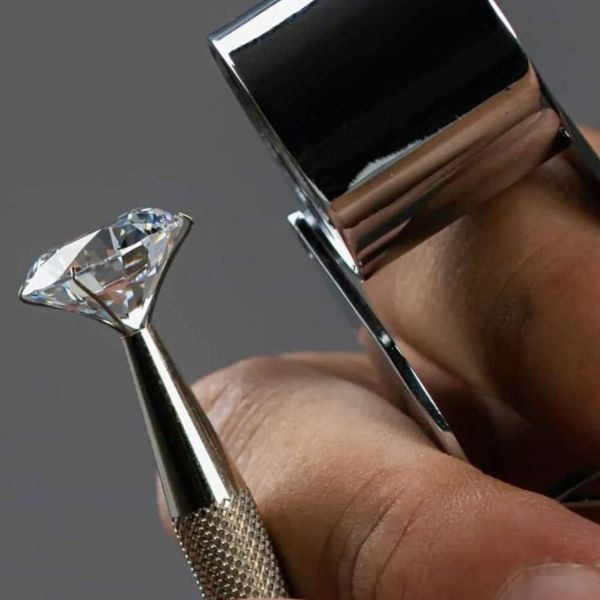
When is “cheap” actually a risk?
In the diamond industry, low prices rarely come with transparency. A diamond offered below the market average without certification may:
-
Be of lower quality than described
-
Have undergone undisclosed treatments
-
Fail to meet the standards required for grading by reputable organizations
Therefore, rather than focusing solely on price, buyers should prioritize diamonds with clear certification from trustworthy sources to ensure lasting value, meaningful sentiment, and long-term peace of mind.
Where to buy certified diamond rings from a reputable source?
When looking to buy a certified diamond ring, the most important factor is not just the price, but transparency in quality and origin. This is why many customers choose brands specializing in engagement and wedding rings such as Meez Jewelry — where every diamond comes with clear certification.
At Meez, diamond rings are certified by reputable organizations such as Gemological Institute of America (USA) or trusted grading centers in Vietnam like Gemological Institute of Japan, allowing customers to easily verify the diamond’s actual quality before making a purchase. All specifications regarding color, clarity, cut, and carat weight are clearly explained and accurately represented.
Beyond certification, a reputable diamond ring retailer must also ensure skilled craftsmanship and long-term after-sales policies. Meez uses Vietnam-standard gold, offers custom craftsmanship within 10 days, provides a one-year free exchange policy, and lifetime warranty services — giving customers peace of mind when choosing a diamond ring for important milestones such as proposals, engagements, or weddings.
Frequently Asked Questions About Diamond Certification
At what carat weight should a diamond have certification?
Diamonds measuring 3.6 mm or larger (equivalent to over 0.18 carats) should generally come with a grading report to ensure transparency in quality and better liquidity for future resale or trade.
Can diamond grading reports be forged?
Diamond grading reports are typically issued by reputable gemological organizations. However, in reality, they can still be counterfeited using sophisticated methods, making it difficult for buyers to detect without proper knowledge and professional experience.
What happens if a diamond grading report is lost?
Losing a grading report can significantly affect the diamond’s value and liquidity, often leading to a resale price reduction of around 20–35%. However, this can be resolved by requesting a duplicate from the issuing organization (such as Gemological Institute of America or International Gemological Institute) or by having the diamond re-evaluated at a reputable grading center.
Can you verify a GIA report number online?
Yes, you can quickly and accurately verify a GIA diamond report number online through the official website of the Gemological Institute of America, allowing you to authenticate the grading information and ensure the diamond matches its certification.
Do lab-grown diamonds need certification?
Yes. Lab-grown diamonds should be certified to verify their quality according to the 4Cs standard, clearly identify their origin, and distinguish them from natural diamonds. Reputable organizations such as Gemological Institute of America and International Gemological Institute issue separate reports that clearly state “Lab-Grown,” ensuring transparency, long-term value, and protection of the buyer’s rights.
- 5 Benefits of Ordering Your Wedding Rings Early That Every Couple Should Know
- Tips for buying an engagement ring online safely
- Tips for Choosing Gold Jewelry Gifts to Match Skin Tone
- How far in advance should you prepare an engagement ring?
- How to fix scratched wedding rings? A simple guide to handling it at home.
Bài viết cùng chủ đề:
-

7+ Simple Ways to Make White Gold Shine at Home
-
How many millimeters is a 1-carat diamond?
-
Top luxurious gold crown ring designs for women
-
Which diamond color grade is the most beautiful? Helpful Advice Before Buying
-
Explore the 5 Most Loved Necklace Designs of 2026
-

Should dark skin wear gold or silver? Tips for choosing jewelry that enhances your complexion
-

What is CZ stone? Should you buy jewelry set with CZ stones?
-
What is the Mohs Hardness Scale? How many levels does the Mohs scale have?
-

Tips for buying an engagement ring online safely
-
How to Calculate the Correct Ring Size for Both Men and Women
-

Tips for Choosing Gold Jewelry Gifts to Match Skin Tone
-
March Birthstones – Aquamarine and Bloodstone
-
Secrets to Designing a Unique and Beautiful Engagement Ring of Your Own

